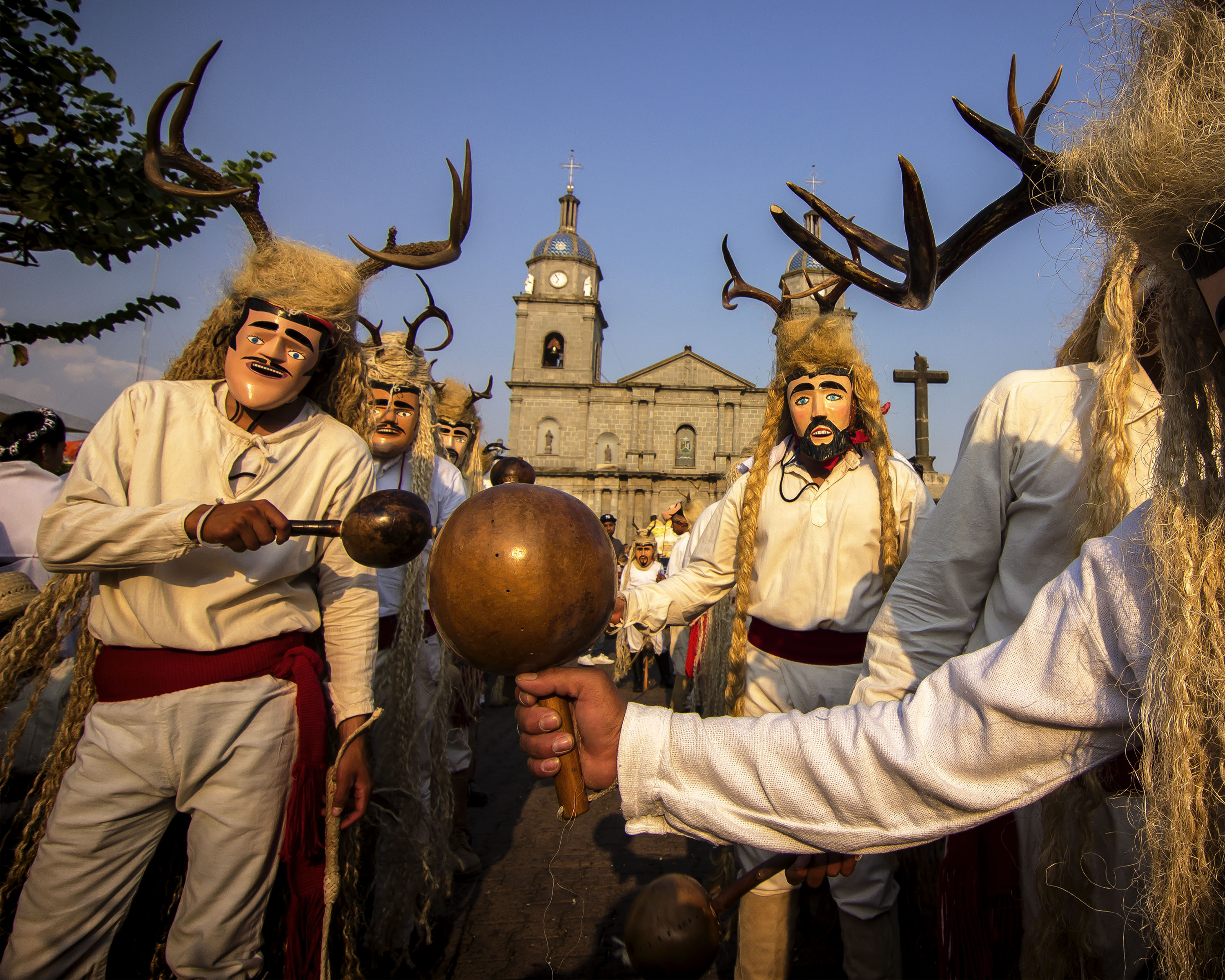
Mexico – Túxpam, April 2023
Túxpan is in the Mexican state of Jalisco. The name ‘Túxpan’ is derived from the word Tochpan which in the Nahuatl language means land of rabbits, or place where there are rabbits. The region comprises the plains stretching south from the Zapotlán valley, down to the Túxpan river, near the southeastern slopes of the Nevado de Colima to the Tigre and Alo mountain ranges to the east. The active Colima volcano constantly threatens the region. The last earthquake of cataclysmic proportions practically destroyed Túxpan on April 15, 1941. The population of the municipality of Túxpan is made up of Indigenous people of Aztec or Mexican descent, mestizos of Aztec and Spanish descent and a limited number of Creoles. This population is known as El pueblo de la fiesta eterna (The people of the eternal celebration) due to the 54 festivities they hold throughout the year.
Brazil: Porto Seguro, May 2023
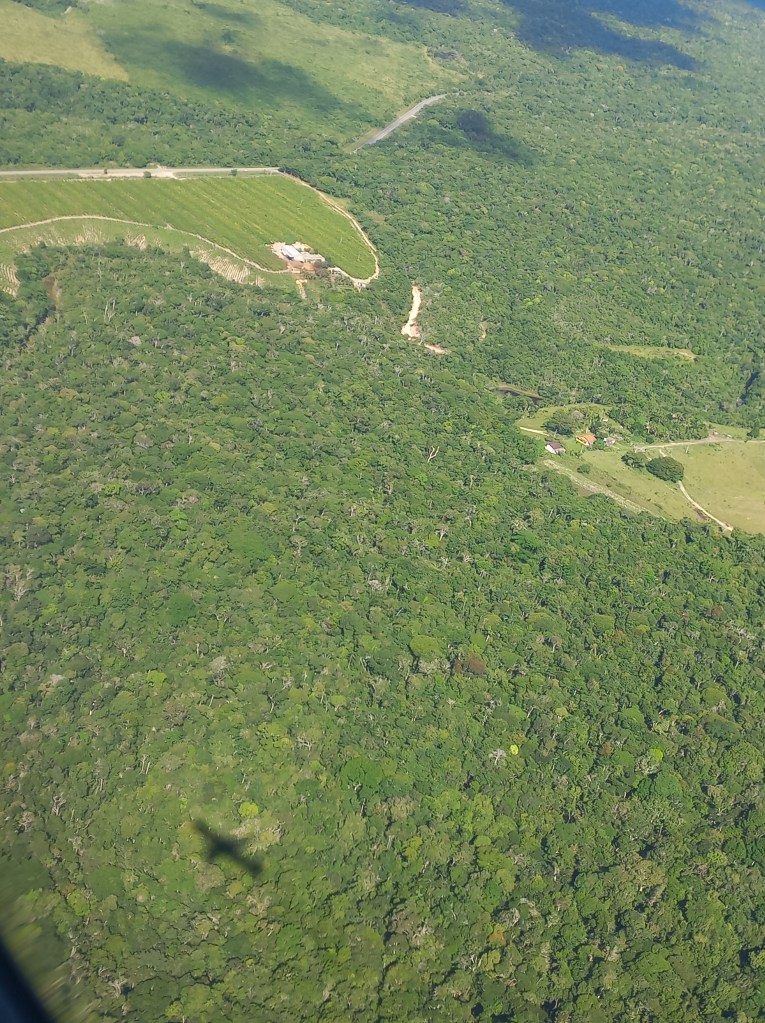
Porto Seguro is located on the coast and in the south of the state of Bahia in Brazil. The Portuguese officially arrived in Brazil on April 22, 1500, under the guidance of Pedro Álvares Cabral. He saw from afar Monte Pascoal (Mount Pascoal), which is 62 km from Porto Seguro. Initially called Nhoesembé by the Tupi poeple, the city was named Porto Seguro (Safe Harbor) by the Portuguese. This region is part of the Atlantic Forest biome, and characterized by its exuberant vegetation and rich biodiversity. The municipality has vegetation typical of coastal areas, including wetlands and sandbanks. Information indicates that around the year 1000, the Tapuia people inhabited the region, but they were driven further inland when the Tupi people arrived from the Amazon. When the Portuguese arrival, the Porto Seguro region was inhabited by the Tupiniquin people. The south of Bahia, where Porto Seguro is located, is home to the Pataxó, PataxóHãHã Hãe, Tupinambé, Mongoió, Baeña, Camacã, Kariri-Sapuiá, and Guérem Indigenous peoples.
Brazil: Brasilia, May 2023
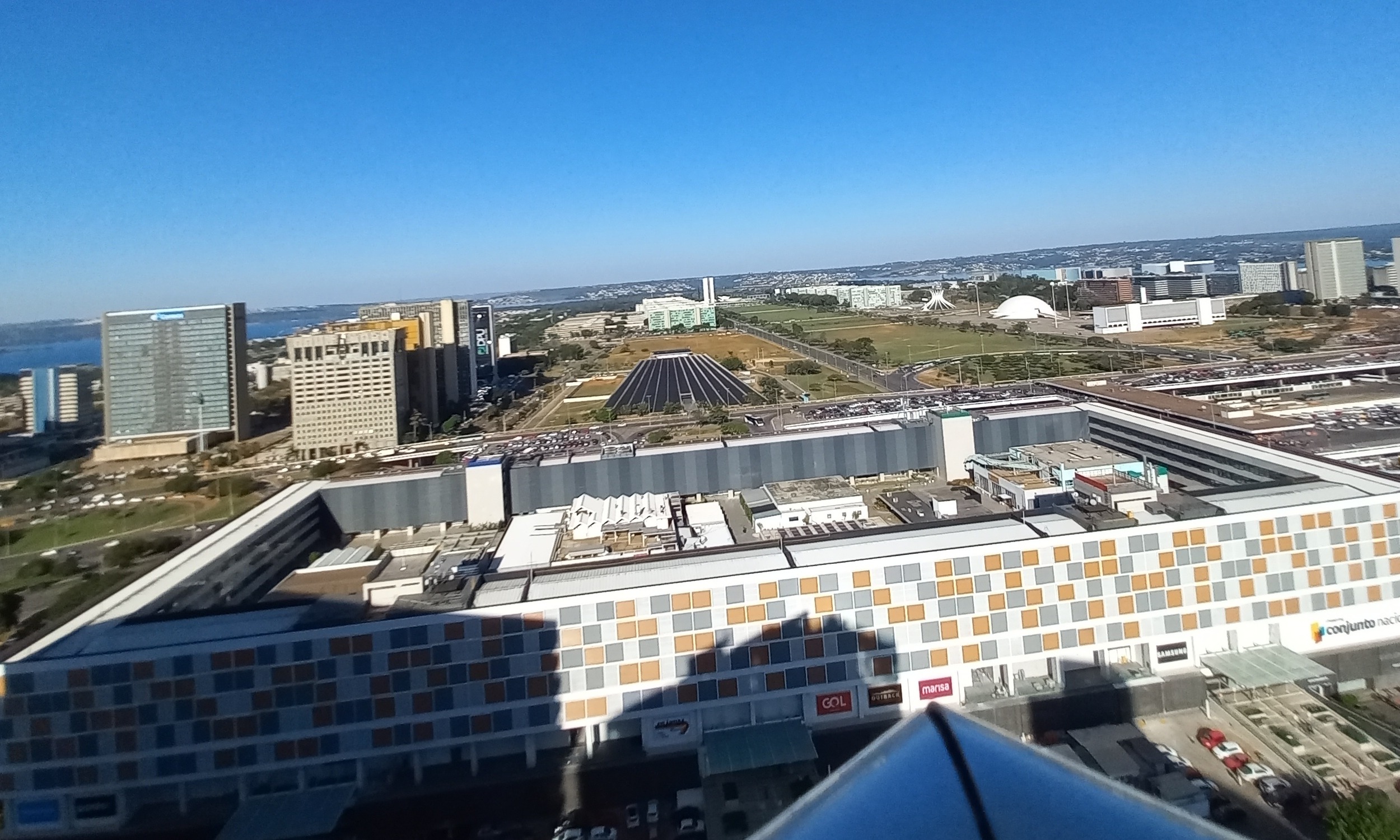
Built in 4 years (1956-1960), Brasília – the Federal District – was inaugurated on April 21, 1960. Its purpose was to become the capital of the Federative Republic of Brazil. Brasília is the third largest city in the country (the 1st being São Paulo and 2nd being Rio de Janeiro), and is located in the state of Goiás. Goiás is in the Brazilian Midwest on the Central Plateau, over 1,000 meters above sea level. It has a tropical climate and a Cerrado landscape, which is the second largest biome in South America and the most biodiverse savannah in the world. The area receives water from the São Francisco et Tocantins basins. Fulni-ô Tapuya, Tuxá, Kariri Xocé and Guajajara Indigenous groups came to Brasília at the time of its construction and occupied an area in the northwest of the Federal District known as Bananal or Santuário dos Pajés (Pajés’ Sanctuary). This covers approximately 50 hectares and is located in what remains of the Cerrado savannah in Brasília’s North Wing. The Santuário dos Pajés has been the target of a robust immovable property project that aims to build a luxury condominium on the site. The matter is currently being addressed by the Brazilian courts.
 DANCING WITH THE LAND