“Pole-to-Pole” Connections Involving Indigenous Dance, Body/Land and Intergeneration in the Americas (SSRHC) builds on Dr. Déborah Maia de Lima’s postdoctoral research, Giving Voice to Indigenous Young Women: Preventing Sexual and Gender-Based Violence Through Dance and Body Practices (FRQSC). In this, she examined how dance and body practices can prevent sexual and gender-based violence among Indigenous young women.
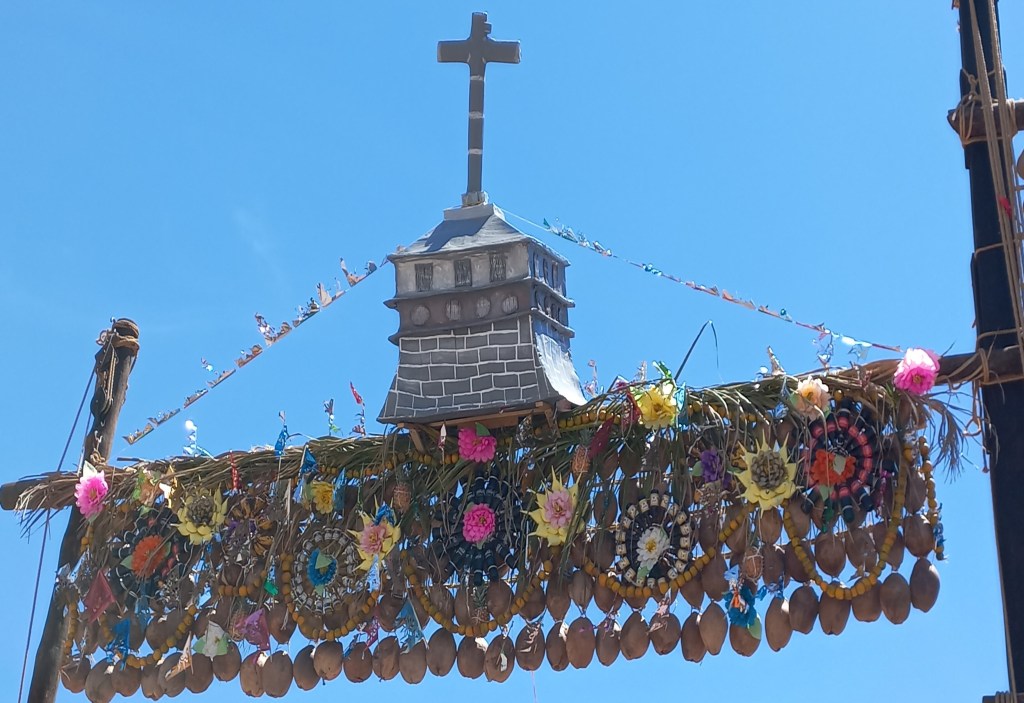
During the first year of the Covid-19 pandemic, Indigenous people shared the positive impact of dancing on their mental and physical health through a series of social media posts. According to Alejandro, from Mexico, “it is up to us to preserve, care for and nurture the memory of our ancestors. Dancing provided them with a sense of belonging and the opportunity to reconnect with their local culture. It allowed them to feel alive and to honour their ancestors. The Pole-to-Pole project is underpinned by three fundamental aspects present in Indigenous peoples’ contexts and paradigm across the Americas:
(1) Indigenous dances have a positive effect on Indigenous peoples
(2) The land/body relationship significantly impacts the Indigenous existence
(3) Knowledge related to dance and land are shared through generations
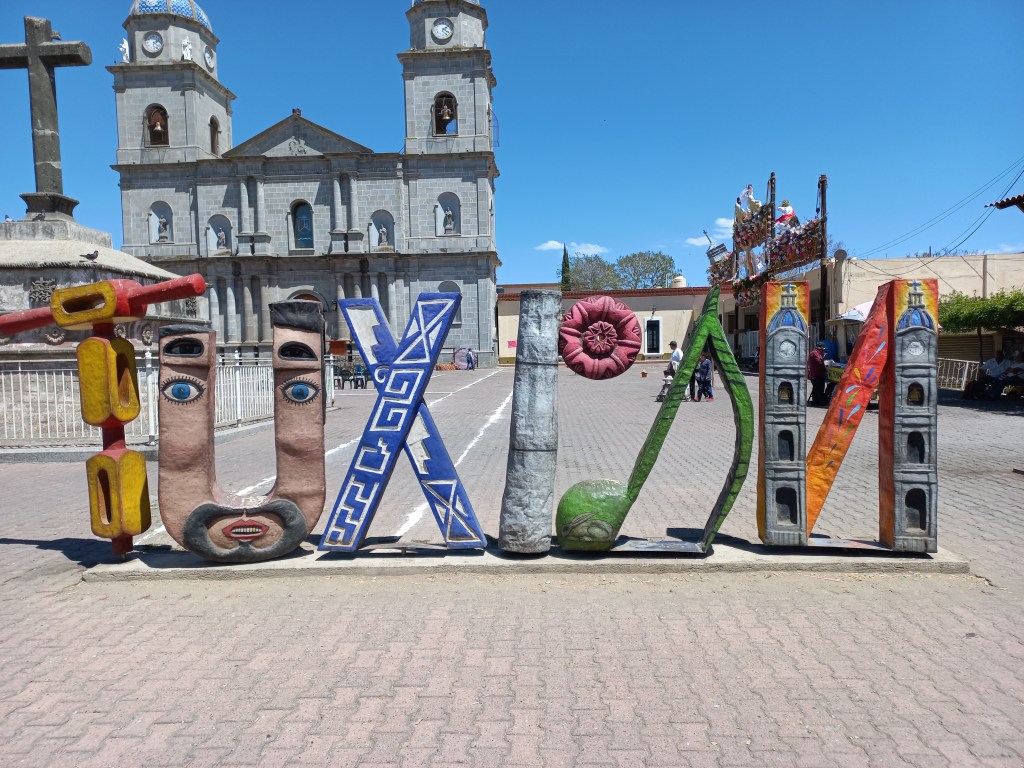
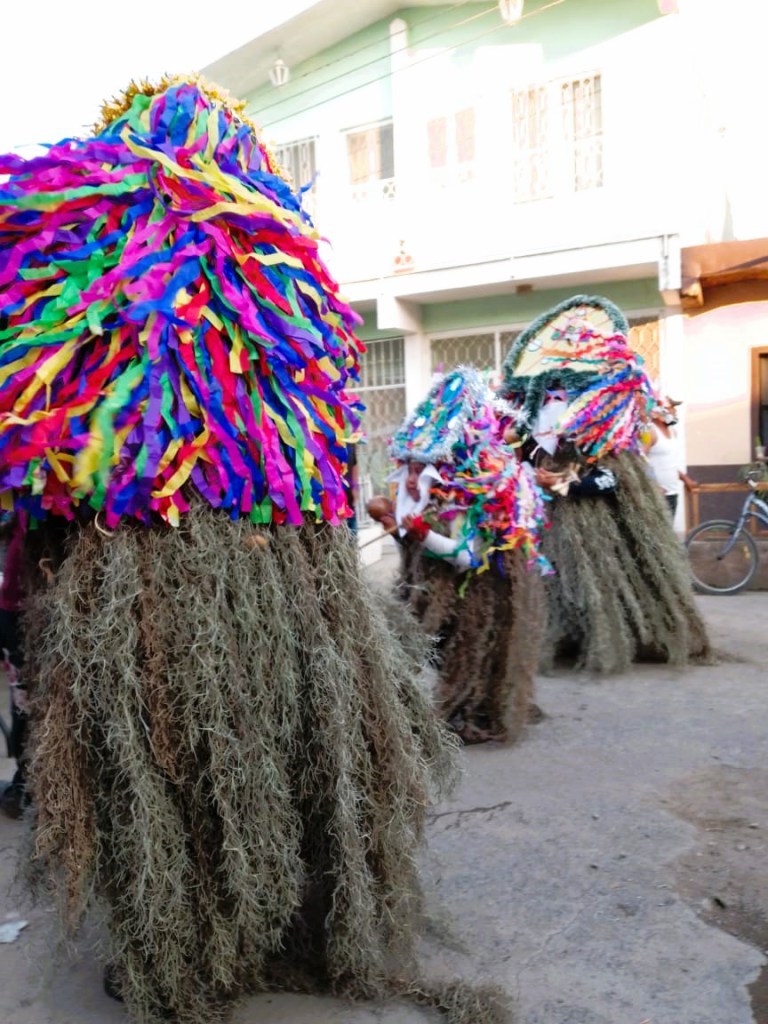
The pole-to-pole project involves Indigenous people from the South of Argentina to the North of Canada. It includes four sites: Canada, Mexico, Brazil and Argentina. Intercultural dialogue is under-researched, and this study seeks to fill this gap by looking at two pillars of the Indigenous paradigm: Indigenous peoples’ relationship with the land and their relationship with dance, and the inter-generational aspects of this interface.
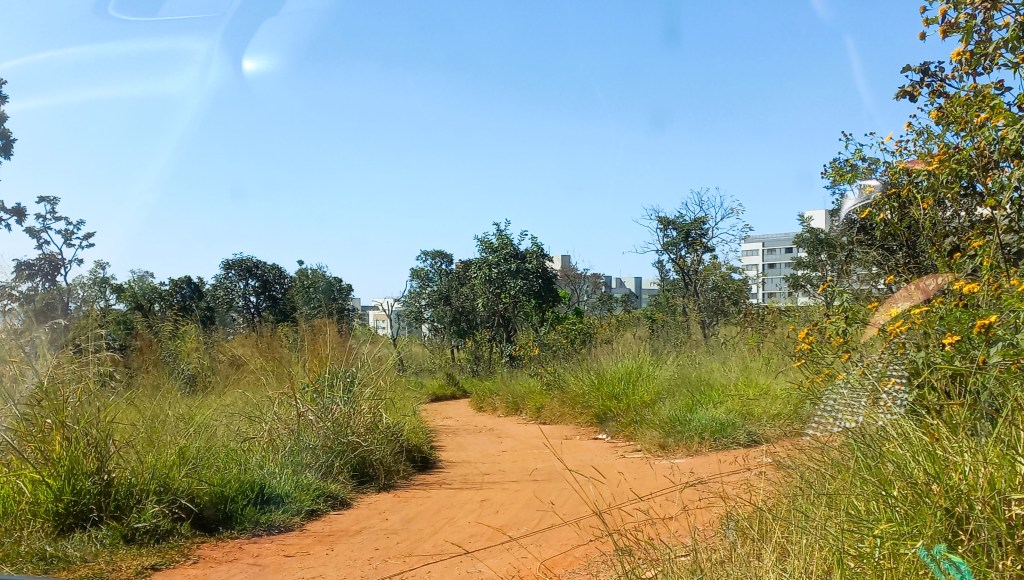
We focus on understanding the relationship that different Indigenous peoples on the American continent have developed with the land. We understand that violence against Indigenous peoples’ lands affects their bodies and their dances; that Indigenous dances effect Indigenous individuals and their communities; and that Indigenous land and the body/land connection is inter-generational. This is especially important in light of how violence against the land affects Indigenous bodies and dances. This is a 2 – 3 year study and has a three-phase methodological approach. The first comprises semi-structured interviews. The second phase will include individual Photovoice research methods. The third and final phase involves the production of a ‘multimedia digital’ tool, a short film which explores the research methods used in phases one and two. Conceptually, this study advances knowledge by unfolding important connections between body/dance/land and intergenerational, crucial aspects of Indigenous lives. The results are likely to enhance culturally appropriate activities on behalf of Indigenous peoples and to create decolonizing actions and social-educational projects which respect Indigenous frameworks.
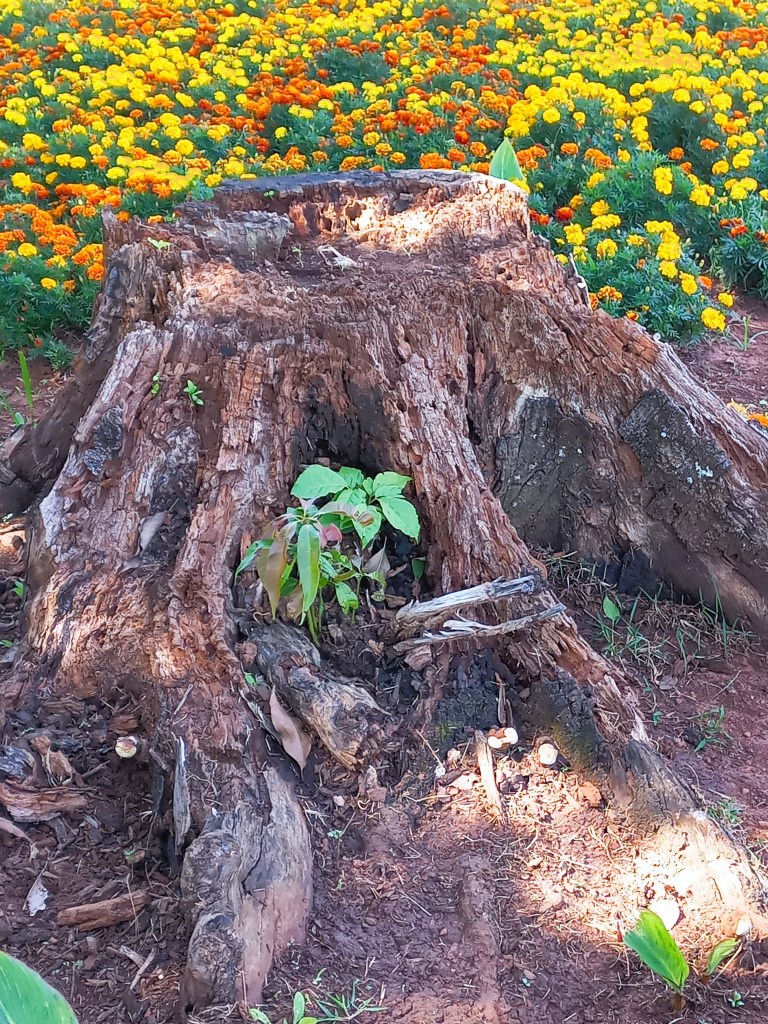
 DANCING WITH THE LAND